







Search Results for: pitcher tapping
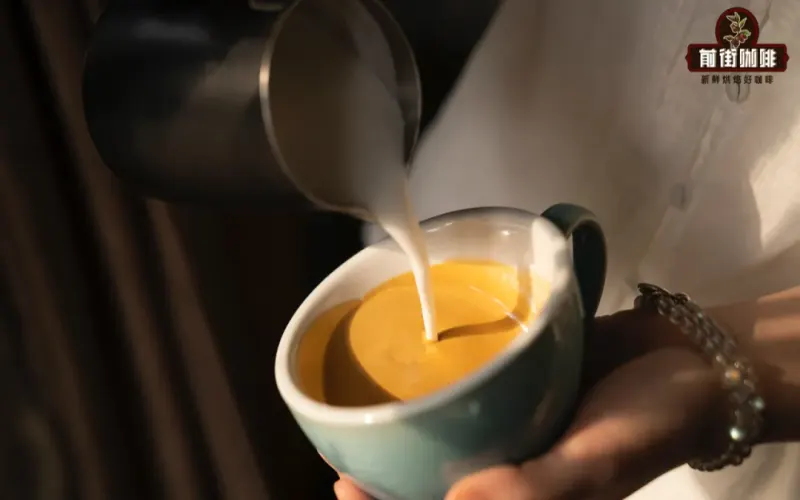
What to Do When Milk Foam Is Too Thick, Separated, or Too Thin? Practical Fixes for Pouring Pitcher and Pre-Mixing in Latte Art
Mistakes when steaming milk foam are occasionally unavoidable—foam that is too thick, too coarse, too thin, or milk and foam that have separated will all make latte art difficult. This article compiles several practical milk foam repair methods, including shaking and tapping the pitcher, using a spoon to scoop out excess foam, pouring the milk into another pitcher, and pre-blending techniques, and explains in detail the principle and points to note for each method. It also explains why pouring into another pitcher can improve milk foam fluidity, and how pre-blending helps thin milk foam successfully complete patterns. At the end, Front Street Coffee-related recommendations and further reading are retained, making it suitable for coffee enthusiasts who want to improve their latte art skills. [more…]

Latte Art Tutorial | What to Pay Attention to When Steaming Milk Foam for Latte Art with a Semi-Automatic Espresso Machine, and How to Rescue Milk Foam That's Not Suitable for Latte Art
As we all know, if we want to create a beautiful latte art pattern, then in addition to having masterful latte art skills, a delicate milk foam is also essential! But even those who have already reached the pinnacle of expertise will occasionally have times when they fail to froth the milk well, perhaps because a momentary lapse makes the milk foam become [more…]

How to Solve Coffee Ground Clumping and Static Clinging? An Analysis of the Tapping Technique to Eliminate Milk Foam Bubbles
In pour-over or espresso preparation, baristas often perform actions such as tapping the table or shaking the milk pitcher, and these behaviors actually have clear professional purposes. From the perspective of Front Street, this article explains two common reasons: first, static electricity generated during grinding in dry seasons, which causes fine particles to stick together or cling to the walls, affecting extraction uniformity; second, large bubbles left by mistakes when steaming milk, which need to be eliminated by shaking the pitcher. Regarding the static electricity issue, the article introduces the RDT droplet technique proposed by David Ross, which suppresses static electricity at the source by spraying a very small amount of water before grinding, while also reminding readers about water volume control and alternative methods. Regarding milk foam bubbles, it explains the professional terminology and operational logic of tapping and shaking the milk pitcher, helping coffee enthusiasts understand and optimize their daily output. [more…]
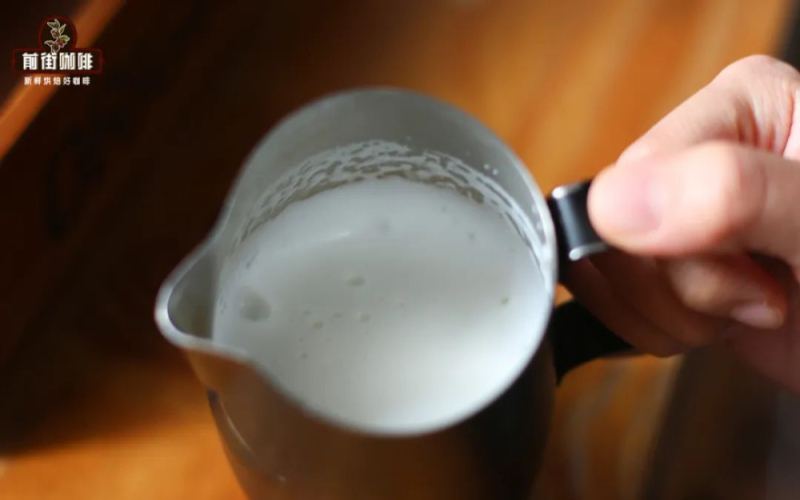
How to Fix Milk Foam That's Too Coarse or Too Thick? Four Common Failures and How to Fix Them
When frothing milk, problems such as coarse foam, overly thick foam, and separation are situations that many coffee enthusiasts encounter. This article focuses on the four most common types of milk frothing failures—foam that is too thin, foam that is coarse, foam that is too thick, and separation of milk and foam—analyzing the causes and effects of each one by one, and providing corresponding remedies. Among these, for the situation where there are only a small number of large bubbles on the surface of the foam, Front Street recommends eliminating them by shaking the milk pitcher; when there are many coarse bubbles, the "pitcher tapping" technique can be used. If the foam is too thick, it can be handled by "foam skimming," while separation problems require "pitcher pouring" to reintegrate the foam. It should be noted that pitcher pouring for rescue should be done no more than twice, otherwise the temperature of the foam will continue to drop, affecting the final result. [more…]

Six commonly overlooked key details and pouring techniques for steaming latte milk foam
An outstanding latte art design relies on the support of fine, smooth milk foam. Many coffee enthusiasts, when practicing milk frothing, tend to focus only on the position of the steam wand and the aeration technique, while overlooking some details that determine success or failure. Today, Front Street Coffee will break down, one by one, the key points to pay attention to when frothing milk, covering six aspects: temperature control, milk refrigeration, purging the steam wand, angle adjustment, the number of times to tap the pitcher, and the practice of transferring the milk. Mastering these easily overlooked steps can help you reduce the chances of failure and take the density and fluidity of your milk foam to the next level. [more…]

Why Does Latte Milk Foam Disappear Right After Steaming? Five Common Causes and Fixes
The milk foam on the surface of a latte begins to break down the moment espresso extraction is complete and milk steaming ends, and the key indicator of its stability is the rate of foam dissipation. By normal standards, a latte made by Front Street Coffee will only show visible, obvious foam dissipation after sitting for about ten minutes. However, if a freshly made latte collapses, curdles, or turns into large bubbles within two minutes, something is wrong, and the causes need to be checked one by one. This article analyzes the reasons for rapid milk foam breakdown from five aspects—crema and foam coarseness, foam thickness, coffee bean freshness, number of pitcher taps, and evenness of integration—and provides the corresponding solutions that Front Street Coffee has summarized through actual practice. [more…]

The Complete Guide to Steaming Milk for Lattes: How to Nail Temperature, Thickness, and Timing
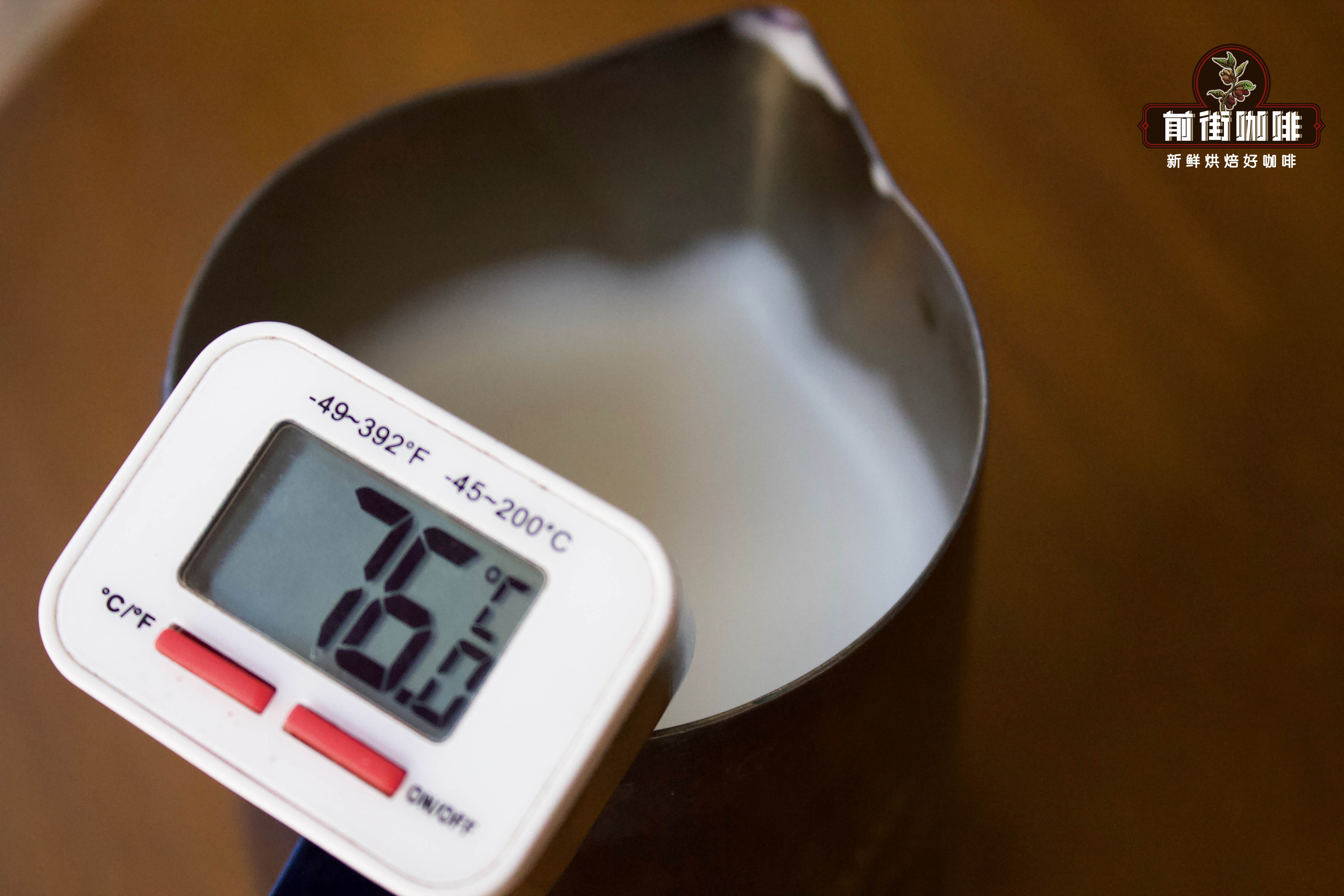
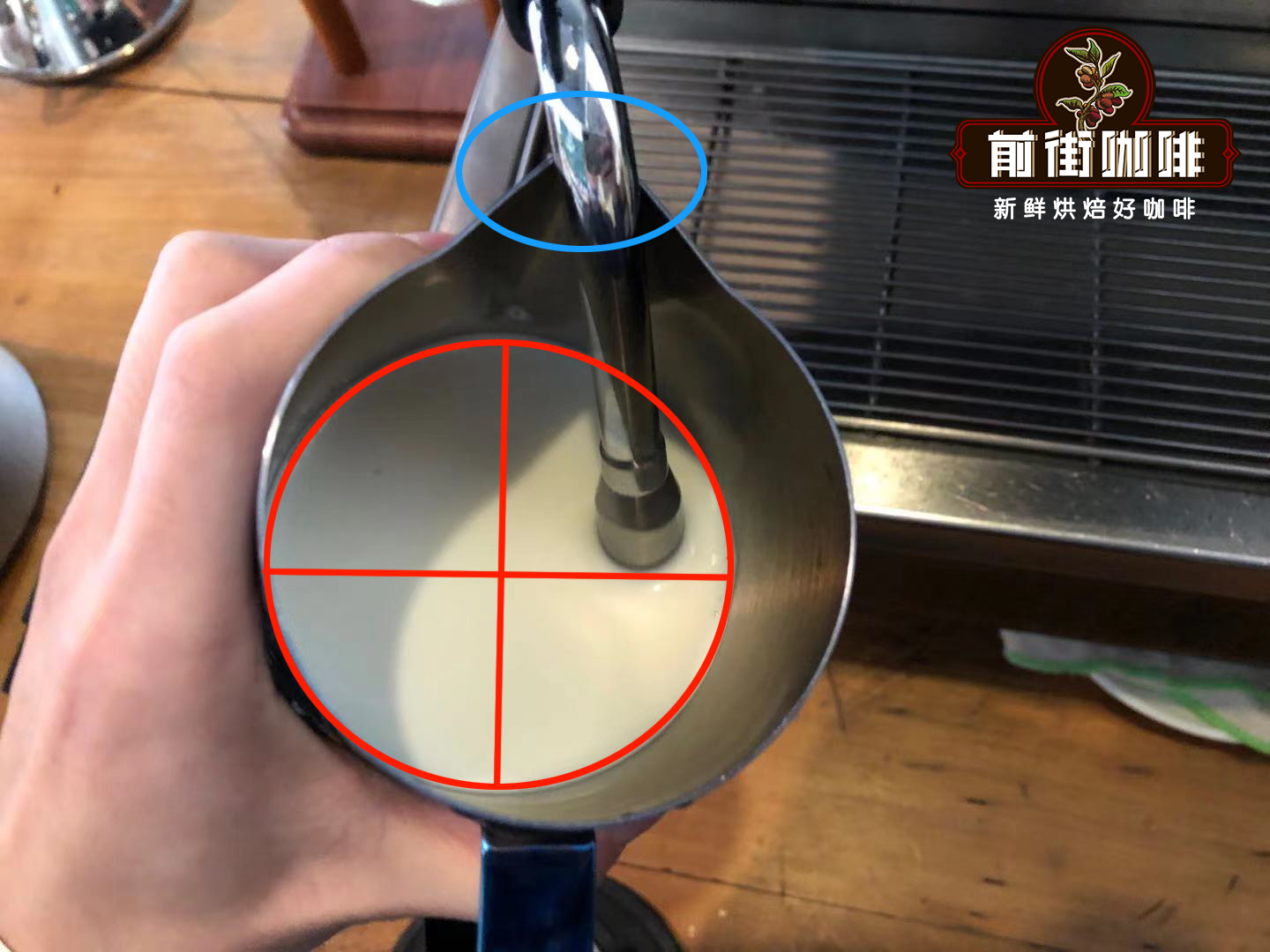
To make a latte with dense, silky microfoam and a surface as smooth as a mirror for latte art, the quality of the milk foam is key. Starting from the working principle of the steam wand, this article explains in detail how to produce fine, glossy, free-flowing microfoam by adjusting the position of the steam tip, the frothing angle, and the immersion depth. It also explains the temperature standard for judging when frothing is complete (55-65°C), as well as how to fix the foam once large bubbles appear. Front Street Coffee also offers bean selection suggestions suitable for home practice based on the characteristics of its own espresso blend, and includes a complete six-step operating procedure to help beginners get started quickly. [more…]
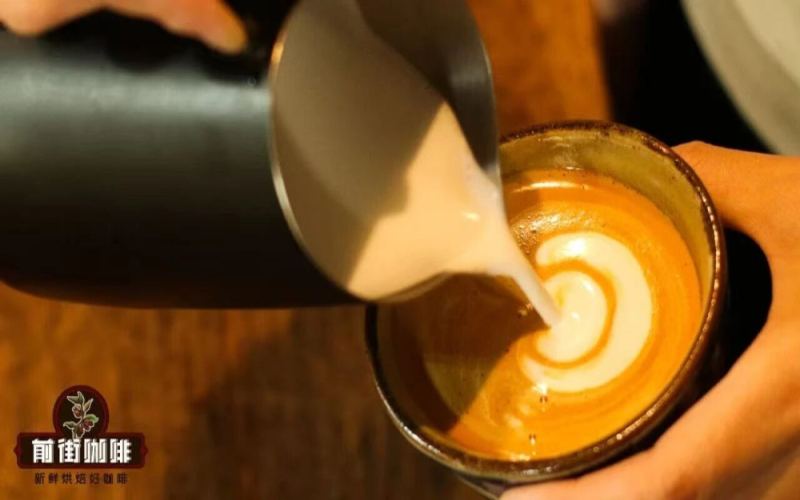
The Complete Guide to Steaming Latte Milk Froth: From Protein Structure to Pouring Technique, Preventing Froth Collapse
Freshly steamed milk foam is dense and glossy, and the latte art takes shape smoothly, but in the blink of an eye, sunken "craters" appear on the surface, and the pattern blurs and distorts along with them. This rapid collapse of milk foam troubles many latte enthusiasts. To solve this problem, it is necessary to start with the principles of foaming and foam stabilization by milk proteins, then troubleshoot the details in the steaming process one by one, such as temperature, steam moisture content, and the force of tapping the pitcher, while also paying attention to the crema condition of the espresso and the pouring technique. This article systematically sorts out the various causes of milk foam dissipating and provides actionable improvement suggestions to help you make fine, delicate milk foam that lasts. [more…]
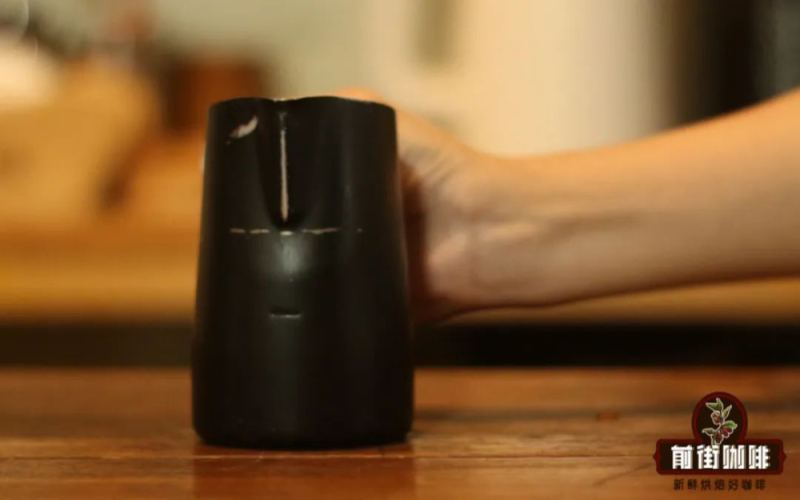
Frequent bubbles in milk foam hard to eliminate? Master the three stages of steaming and key techniques to make fine latte art milk foam
Many coffee enthusiasts encounter the same frustration when practicing latte art: the surface of the milk foam is covered with a large number of tiny bubbles that simply won't break up no matter how much you tap the pitcher, seriously affecting the formation of latte art. The root of the problem often lies not in luck, but in the control of details during the steaming process. From the perspective of Front Street, this article systematically breaks down the three core stages of milk frothing—aeration, texturing, and integration—and analyzes one by one the three major causes of excess bubbles: insufficient texturing, repeated aeration during the integration stage, and milk that starts at too high a temperature. It also shares practical tips on steam wand angle, pitcher selection, and temperature management to help you consistently produce dense, smooth milk foam at home. [more…]

How to Steam Milk Foam for Latte Art That Lasts Longer? A Full Guide to Choosing the Right Milk Brand and Steaming Techniques
Many people find that their milk foam never turns out well when learning latte art. In fact, the quality of the milk and the way it is steamed both directly affect the fineness and staying power of the foam. This article starts with the types of milk, analyzing the differences between shelf-stable milk and chilled milk, and between whole milk and skim milk. It then uses Front Street Coffee's recommended Vitasoy whole milk fresh milk to explain in detail the temperature control, technique, and the ratio of milk to foam when steaming milk with a steam wand. It also shares methods such as tapping out bubbles and controlling the heating temperature to make the foam more stable and long-lasting, helping coffee lovers achieve better results when pouring latte art and making lattes and cappuccinos. [more…]

Coffee Latte Art | Why Does the Surface of a Latte Become Rough After Sitting for a While? How to Improve Milk Foam Stability and Delay Defoaming?
The surface of a freshly made latte is incredibly fine and smooth. But if we leave it sitting without drinking it, we can see the smooth, delicate surface gradually become rough and uneven. This phenomenon is called "defoaming," a process in which the milk foam continuously dissipates. Milk foam is a frothy substance formed by injecting air into milk. [more…]
Which type of milk produces more long-lasting foam? A full guide to the milk-frothing process, techniques, and practical key points for beginners
When beginners practice latte art, milk foam is often difficult to froth or dissipates quickly. In fact, the choice of milk and the frothing technique both directly affect foam quality. Front Street Coffee, drawing on practical experience, has sorted out the differences between shelf-stable and chilled milk, and between whole and skim milk, and explains in detail the temperature control, operational details, and common issues of steaming milk foam. The article also analyzes how the ratio of milk to foam, personal skill, and standing time affect foam durability, helping coffee enthusiasts systematically master the key points for producing fine, dense milk foam. [more…]
The Correct Way to Froth Milk | Which Type of Milk Keeps Coffee Foam Lasting Longer? What Techniques Must Beginners Master to Make Latte Art?
Many people struggle to froth milk properly when they first start learning latte art. In fact, the quality of the milk also affects how easy it is to froth. Front Street Coffee would like to introduce a few types of milk that are easy to froth! In the eyes of baristas, milk is divided into ambient milk and chilled milk, whole milk and skim milk. When making coffee la— [more…]

Why Does Latte Milk Foam Dissipate Quickly? A Detailed Explanation of the Factors Affecting Stability and Frothing Techniques
A freshly made latte has a silky smooth surface, but after sitting for a moment it develops a rough, uneven texture—this is the process of milk foam collapsing. Milk foam is essentially foam formed when air is injected into milk, and when left to stand, it separates due to density differences, with small bubbles gradually merging and bursting. The speed of collapse depends on foam stability, which is affected by multiple factors such as steaming technique, milk temperature, and coffee bean freshness. Drawing on Front Street Coffee's store experience, this article systematically analyzes the major reasons behind rapid latte foam collapse and offers practical improvement suggestions to help coffee enthusiasts enhance their latte art quality and taste experience. [more…]
The Complete Guide to Steaming Milk Foam for Espresso Lattes: Thickness Control and Beginner-Friendly Practical Techniques Explained
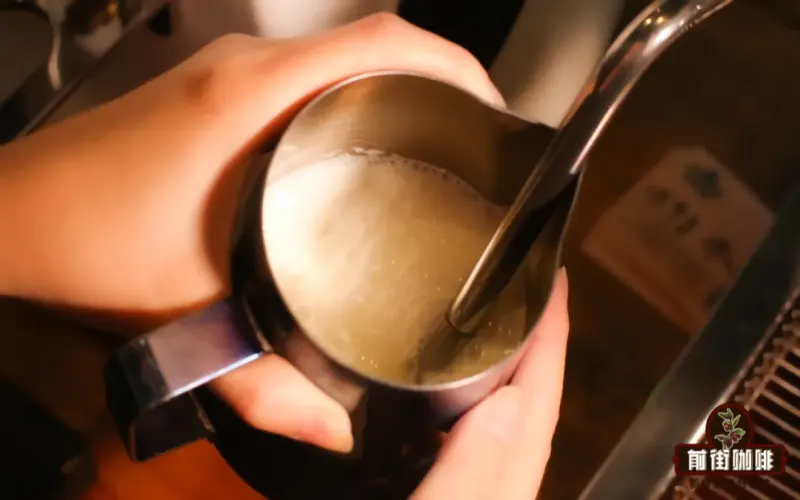
Want to make dense, smooth latte milk foam but keep struggling with coarse large bubbles and uncontrollable temperature? This article starts with the historical origins of milk foam, systematically breaks down the thickness control principles of espresso milk foam, and guides you through understanding the two key stages: "aeration" and "texturing." Front Street Coffee will demonstrate step by step the practical details of steam wand angle, air intake point selection, and temperature control, and share money-saving tips for practicing with ice water. Whether you are a complete beginner or an enthusiast looking to refine your latte art skills, this tutorial can help you avoid common pitfalls and consistently create fine, delicate milk foam suitable for latte art. [more…]
Yunnan blend extraction parameters | What coffee beans are used to make espresso? How do you adjust the grind size for espresso beans? How do you make a delicious latte?
Although more and more people are paying attention to single-origin coffee nowadays, judging from the ordering situation at Front Street Coffee, espresso-based drinks still account for a large proportion. This is merely a matter of taste preference, and it does not mean that espresso is better than single-origin coffee, or that people who drink espresso do not [more…]

Latte Coffee Making Tutorial: Espresso Extraction, Milk Frothing and Latte Art Techniques, and Coffee Bean Selection Tips
Latte coffee may seem simple, but in reality, every step—from bean selection, extraction, to milk frothing and latte art—hides its own intricacies. While the ratio of milk to coffee, the beans used, and parameters vary across cafes, the classic approach typically involves a generous amount of milk blended with espresso. This article uses Front Street Coffee as an example to systematically explain the entire latte-making process: how to choose Italian-style coffee beans based on flavor preferences, adjust grind size, dose and distribute the grounds and tamp, as well as the principles and techniques of steaming milk, and finally, latte art practice steps for beginners. Whether you're preparing for a barista interview or looking to improve your output at home, you'll find practical references here. [more…]

Latte Coffee Beans | What Does Latte Mean? What Are the Methods for Making Milk Coffee? How Do You Make Delicious Espresso?
Nowadays, more and more people are paying attention to single-origin coffee, but in terms of orders at FrontStreet Coffee, espresso-based drinks still account for a larger proportion. When it comes to choosing espresso beans, what FrontStreet Coffee focuses on is [more…]

From Vienna to the Espresso Bar: A Detailed Guide to the History, Classic Recipe, and Making Techniques of Latte Coffee
Latte is one of the most frequently ordered espresso drinks in cafés, yet its origins, recipe ratios, and preparation details are often richer than one might imagine. This article begins with the Blue Bottle coffeehouse in Vienna in 1683, sorts out the differences between latte and café au lait, explains in detail the standard method for making an espresso latte, extraction parameters, dosing and tamping techniques, and milk frothing skills, and introduces how Front Street Coffee's classic espresso blend performs in actual service. Whether you are an enthusiast wanting to learn about latte culture or a professional practicing the fundamentals of being a barista, you will find useful reference here. [more…]
A Detailed Guide to Latte Art and Standard Practices: A Complete Workflow from Bean Selection and Extraction to Milk Frothing and Pouring Designs
Latte is one of the most familiar espresso drinks among coffee enthusiasts in China, and the combination of espresso and milk gives it a smooth, sweet, and easy-to-drink taste. But to make a qualified latte, every step matters, from bean selection, grind adjustment, dosing, distribution, and tamping, to steaming milk and pouring latte art. This article uses the latte commonly seen in barista interviews as an entry point to systematically sort out the extraction parameters of Front Street Coffee's classic espresso blend, milk steaming temperature and thickness, and cup selection, and explains in detail the importance of even dosing, methods for checking distribution, tamping direction, as well as steam wand angle and the push-heart technique for beginner latte art, helping readers master the entire process and key points for consistently producing a standard latte. [more…]